
Choosing a plant-based milk for your toddler: what the new BSACI guidance says
There is a question I get aaaaaall the time in clinic these days: which plant-based milk should I use for my toddler? And honestly, I get it - the milk aisle has become OVERWHELMING, the marketing is confusing, and parents are often left completely bamboozled about what products to choose
Well, good news. The British Society for Allergy and Clinical Immunology (BSACI), endorsed by the British Dietetic Association and the British Dental Association, has just released the first proper statement on plant-based milks for children aged 1 and over. And it gives us some clear, guidance to point parents towards.
So, here's what you need to know, and a (non-exhaustive!) list of UK products and how they compare to those criteria
The headline findings from the BSACI statement
Breast milk OR cows' milk (whole or semi-skimmed from age 1) is the preferable option where possible.
Where plant-based drinks ARE used, the guidance is clear: choose unsweetened and choose fortified. Look for added calcium and iodine on the label. And ideally vitamin B12 and vitamin D too
Soya, pea and oat are preferable. Nut-based drinks are the least preferred due to their low energy content, but still acceptable.
All "growing up" and toddler milks are NOT recommended. This is because of their sugar or sweetener content (sugar, glucose, fructose and/or maltodextrin).
I have a detailed post which breaks down all the different plant milks in a bit more detail here which I would also recommend reading.
A quick word on this product list
This is a list of some of the soya, oat and pea milks on the UK market that are unsweetened. Most are fortified with calcium as a minimum, but I have included some organic ones and suggested the nutrients you would need to consider/supplement if you chose these products.
This list is not exhaustive, and I don't recommend one over another for the general population. Product choices come down to individual need, parent preferences and priorities. Products subject to change, always read the labels.
Soya milks
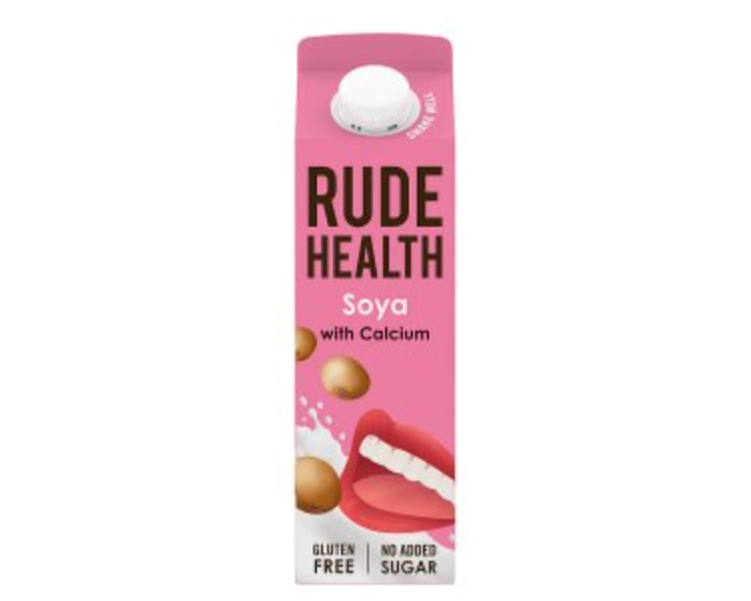
Rude Health Soya with Calcium
Ingredients: Spring water, soya beans (8%), calcium carbonate, sea salt.
Per 100ml:
Protein: 3.2g
Carbohydrate: 1.2g (of which sugars: 0.6g)
Calcium: 120mg
Note: this one is fortified with calcium only- no added iodine or B12 - these nutrients would need to be sourced from the diet or supplemented.
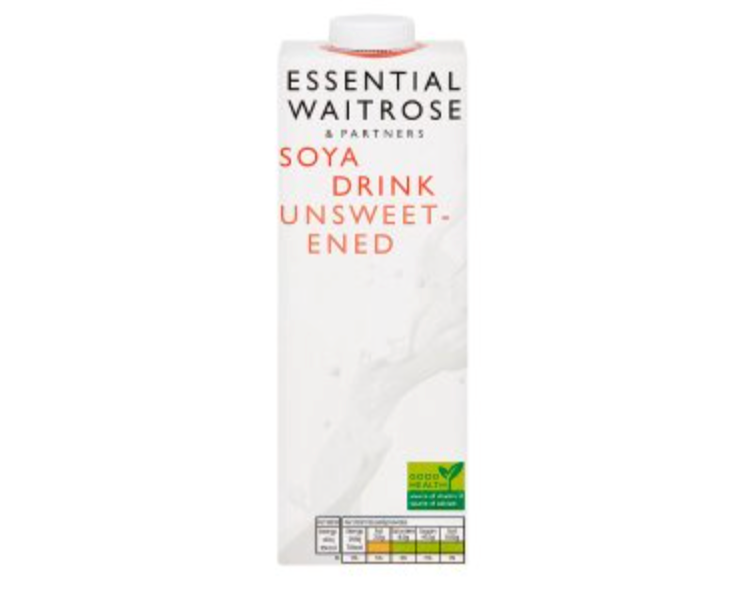
Waitrose Essentials Soya Unsweetened
Ingredients: Water, hulled soya bean (9%), tricalcium phosphate, stabiliser (gellan gum), flavouring, vitamin D, potassium iodide, vitamin B12, riboflavin (B2).
Per 100ml:
Protein: 3.4g
Carbohydrate: 0.8g (of which sugars: 0.0g)
Calcium: 120mg
Iodine: 22.4µg
Vitamin B12: 0.38µg
Vitamin D: 0.75µg
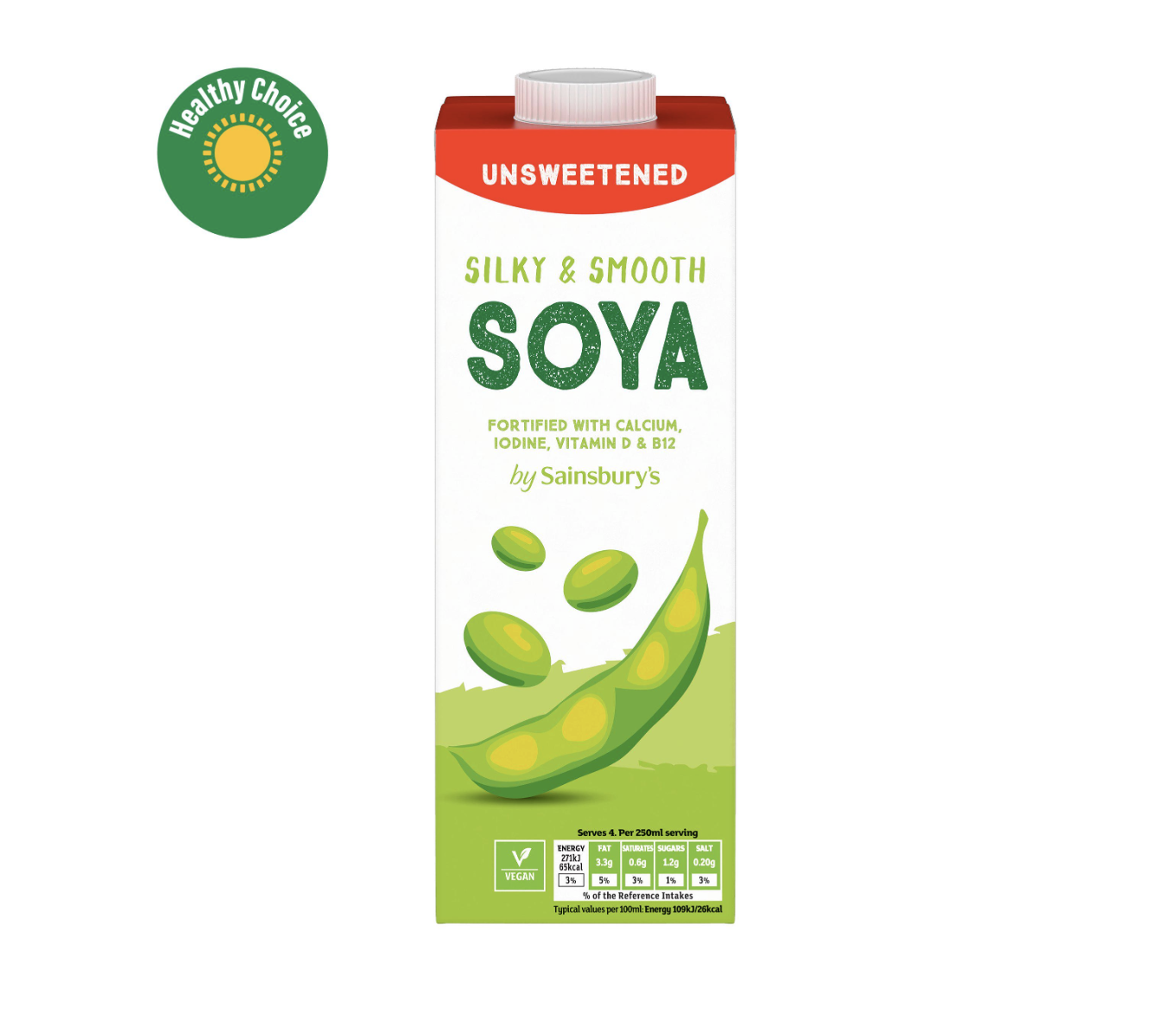
Sainsbury's Soya Unsweetened
Ingredients: Water, soy beans (soya) (9%), tricalcium phosphate, stabiliser: gellan gum, sea salt, potassium iodate, vitamin B12, vitamin D.
Per 100ml:
Protein: 2.2g
Carbohydrate: 1.2g (of which sugars: <0.5g)
Calcium: 120mg
Iodine: 22.5µg
Vitamin B12: 0.38µg
Vitamin D: 0.75µg
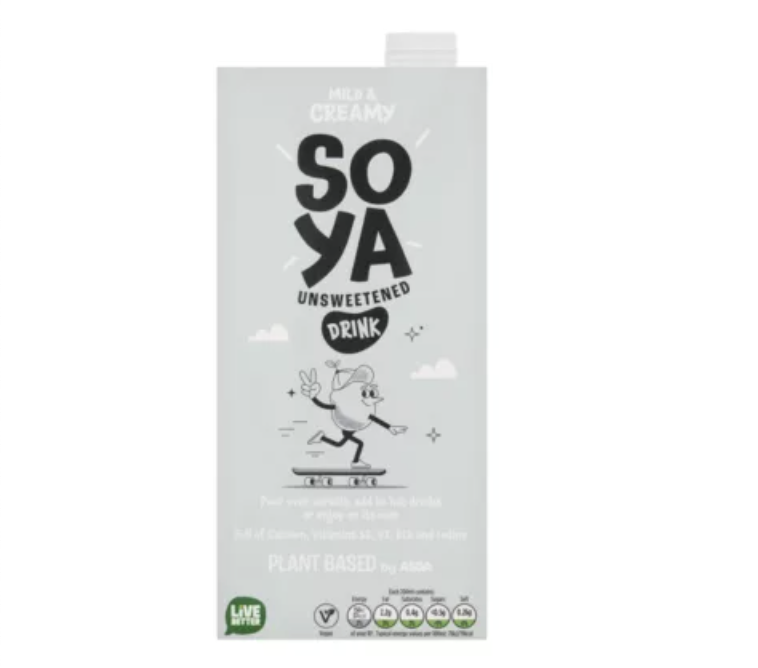
Asda Soya Unsweetened
Ingredients: Water, soya beans (7%), inulin, calcium phosphate, salt, stabiliser (gellan gum), potassium iodide, vitamin B12, vitamin D2, vitamin B2.
Per 100ml:
Protein: 2.0g
Carbohydrate: <0.5g (of which sugars: <0.5g)
Calcium: 122mg
Iodine: 35µg
Vitamin B12: 0.39µg
Vitamin D: 0.76µg
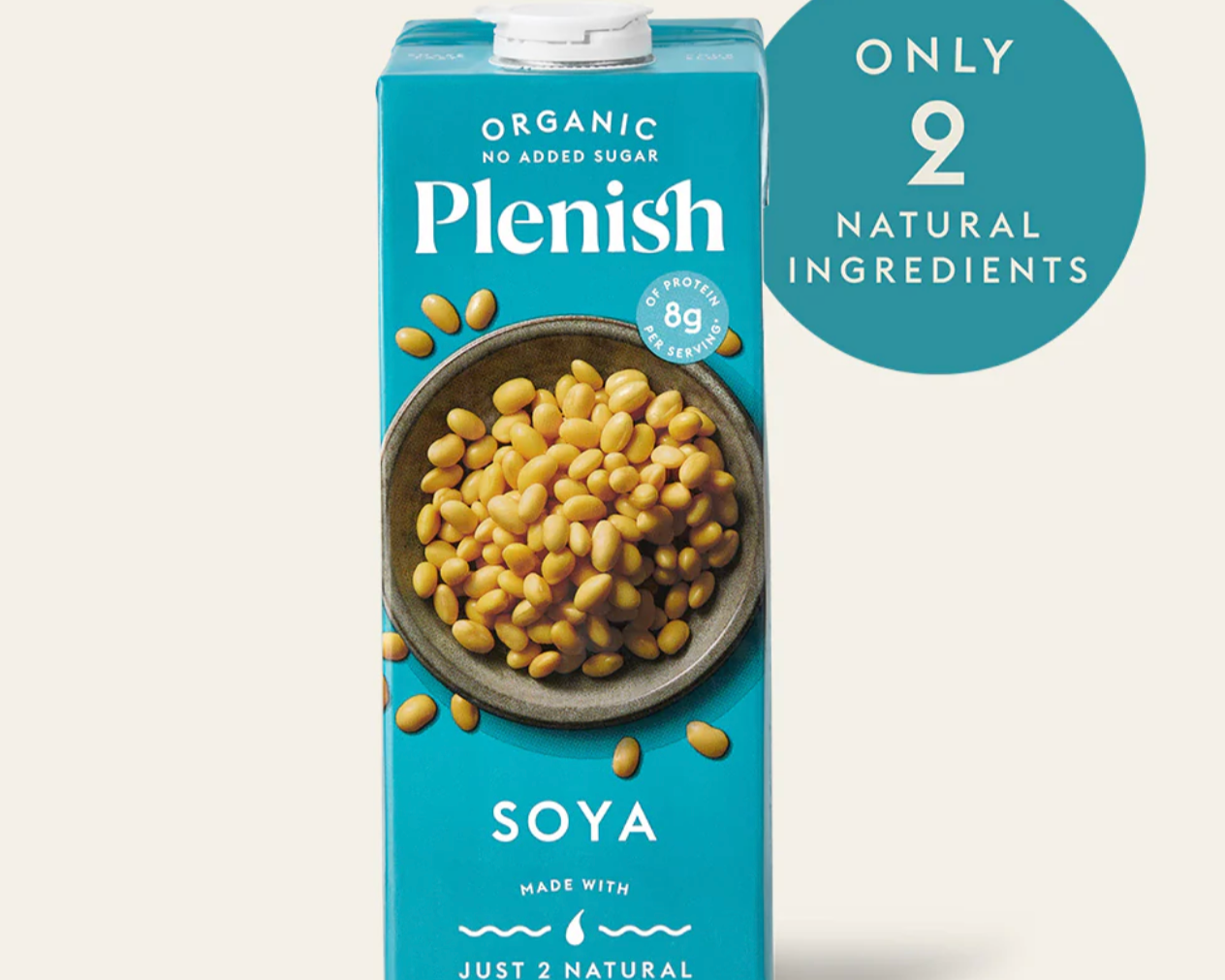
Plenish Organic Soya
Ingredients: Spring water, organic soyabeans (8%).
Per 100ml:
Protein: 3.2g
Carbohydrate: 0.8g (of which sugars: 0g)
No added calcium, iodine or B12 (organic products are not nutrient fortified). These nutrients would need to be sourced elsewhere in the diet. Not an ideal first choice, but acceptable if you are happy to source calcium, iodine and B12 from elsewhere.
Alpro Soya No Sugar
Ingredients: Soya base (98.8%) (water, hulled soya beans (8.7%)), acidity regulators (potassium phosphates), calcium (calcium carbonate), flavourings, sea salt, stabiliser (gellan gum), vitamins B2, B12, D2.
Per 100ml:
Protein: 3.3g
Carbohydrate: 0.0g (of which sugars: 0g)
Calcium: 120mg
Vitamin B12: 0.38µg
Vitamin D: 0.75µg
No added iodine.
Oat milks
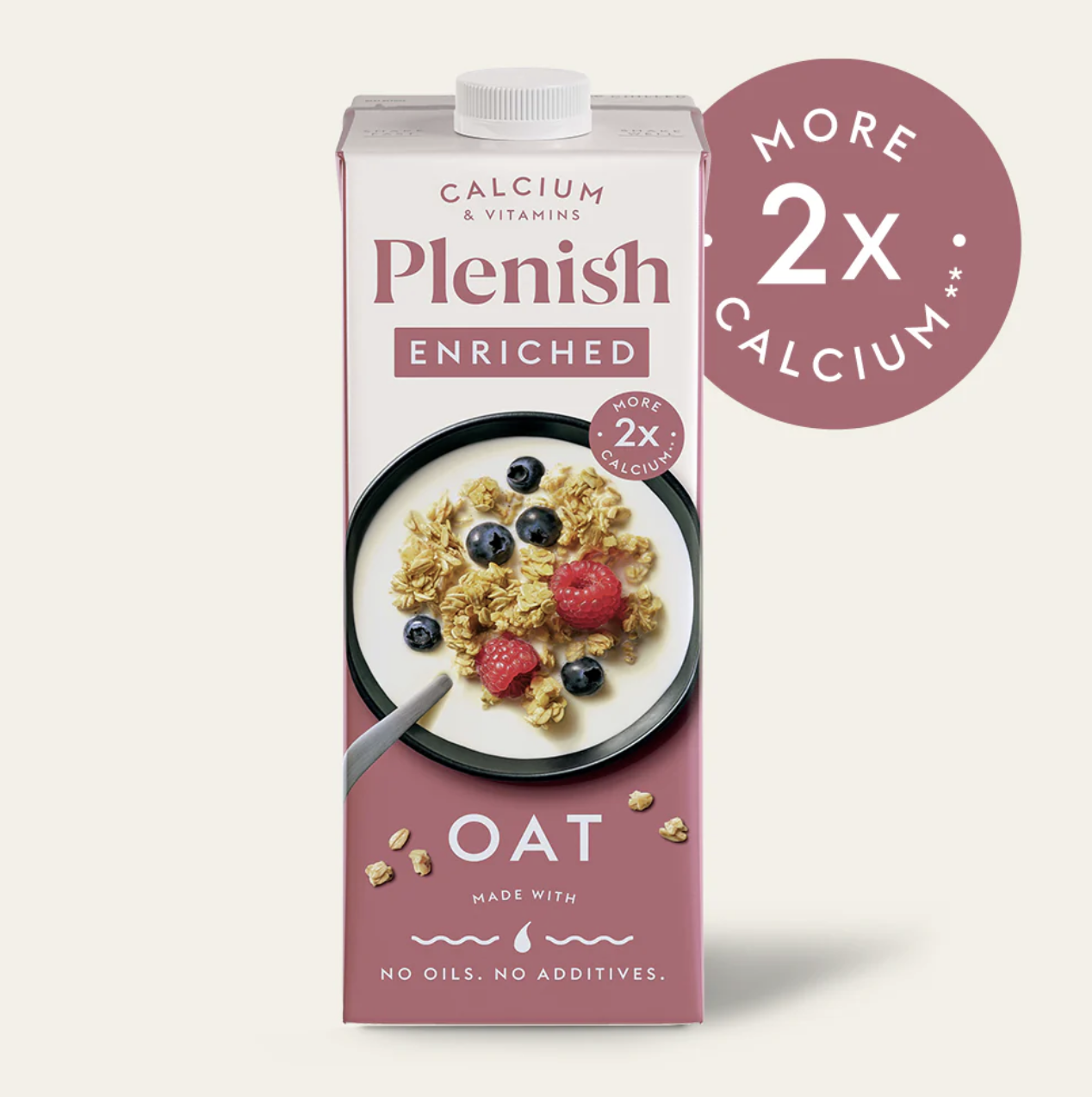
Plenish Oat Enriched
Ingredients: Water, gluten free oats (9%), calcium (calcium carbonate), chicory root fibre, citrus fibre, salt, vitamins (D, riboflavin, B12), iodine (potassium iodide).
Per 100ml:
Protein: 0.7g
Carbohydrate: 7.6g (of which sugars: 2.6g)
Calcium: 240mg
Iodine: 15µg
Vitamin B12: 0.38µg
Vitamin D: 0.75µg
Worth noting- Plenish Oat Enriched has 240mg calcium per 100ml, which is double most others on this list. So you'd only need around half the volume to hit calcium targets. 150ml meets the estimated calcium requirement for 1–3 years.
Minor Figures Every Day Oat
Ingredients: Water, gluten free oats (10%), rapeseed oil, calcium carbonate, acidity regulator (dipotassium phosphate), salt, vitamin D, riboflavin, vitamin B12, iodine.
Per 100ml:
Protein: 1.0g
Carbohydrate: 6.4g (of which sugars: 2.3g)
Calcium: 120mg
Iodine: 22.5µg
Vitamin B12: 0.38µg
Vitamin D: 0.75µg
Alpro Oat No Sugar
Ingredients: Water, oat (11.9%), sunflower oil, calcium (calcium carbonate), chicory root fibre, sea salt, stabiliser (gellan gum), potassium iodide, vitamins B2, B9, D2.
Per 100ml:
Protein: 0.8g
Carbohydrate: 6.4g (of which sugars: 0.0g)
Calcium: 120mg
Iodine: 22.6µg
Vitamin D: 0.75µg
No added B12.
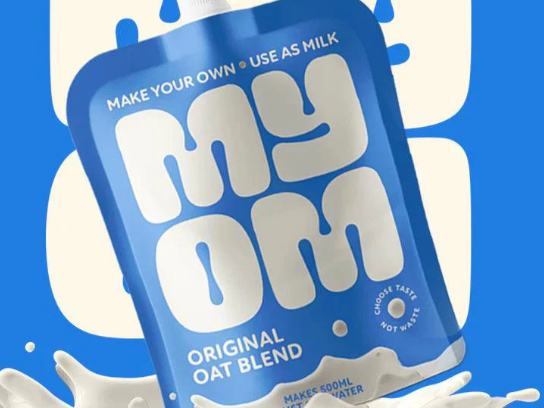
Myom Original Oat
A blend of oats with added calcium, vitamins and minerals- you make it up into an oat drink by adding water.
Ingredients: Oats (80%), water, rapeseed oil, minerals (calcium carbonate, potassium iodide), sea salt, vitamins (B12, D3).
Per 100ml (made up):
Protein: 0.4g
Carbohydrate: 4.7g (of which sugars: 1.9g)
Calcium: 130mg
Iodine: 30µg
Vitamin B12: 0.90µg
Vitamin D3: 0.75µg
Overherd Oat Milk Powder
A blend of oats with added calcium and B12- you make it up into an oat drink by adding water.
Ingredients: Organic gluten free oats (68%), coconut MCT powder (corn fibre), chicory root fibre, calcium carbonate, vitamin B12.
Per 100ml (made up):
Protein: 0.5g
Carbohydrate: 6.3g (of which sugars: 1.4g)
Calcium: 61mg
Vitamin B12: 0.2µg
No added iodine or vitamin D.
Lower calcium content than other oat milks on this list — 122mg per 200ml.
Pea milks
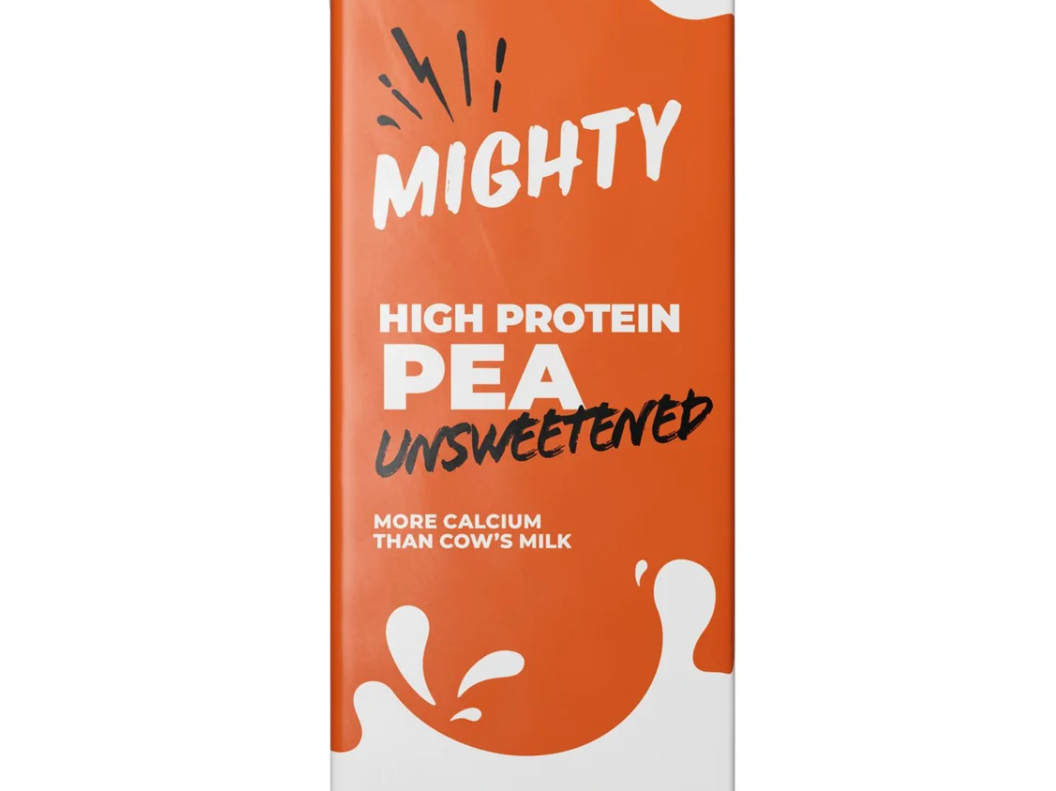
Mighty High Protein Pea Unsweetened
Ingredients: Water, pea protein isolate (2.4%), sunflower oil, rapeseed oil, fermented pea, calcium carbonate, natural flavourings, stabilisers (guar gum, gellan gum), sea salt, acidity regulator (potassium carbonate), iodine, vitamins (B12, D).
Per 100ml:
Protein: 2.0g
Carbohydrate: 0.2g (of which sugars: 0g)
Calcium: 180mg
Iodine: 30µg
Vitamin B12: 0.90µg
Vitamin D: 0.75µg
Sproud Pea Unsweetened
Ingredients: Water, protein from pea (1.9%), rapeseed oil, acidity regulator (dipotassium phosphate), calcium carbonate, calcium phosphates, natural flavourings, salt, emulsifier (lecithin), vitamins (vitamin B12, vitamin D, riboflavin).
Per 100ml:
Protein: 1.5g
Carbohydrate: <0.1g (of which sugars: <0.1g)
Calcium: 120mg
Vitamin B12: <0.5µg
Vitamin D: 1µg
Read more: which alternative milk should I give my baby over 1?
Still feeling stuck?
If your child has a cows' milk allergy, you're navigating multiple food allergies, or you're just not sure whether the milk in your fridge is the right one for your toddler- please don't try to work it out alone. This is genuinely one of the most common things I help families with in clinic.
You can book a virtual clinic appointment with me here or have a look at how the clinic works.
Warm wishes, Christina x