
A complete guide to plant milks in babies + toddlers. Written by Registered Baby and Child Dietitian Christina Hills. Founder of the Happy Feeding Co.
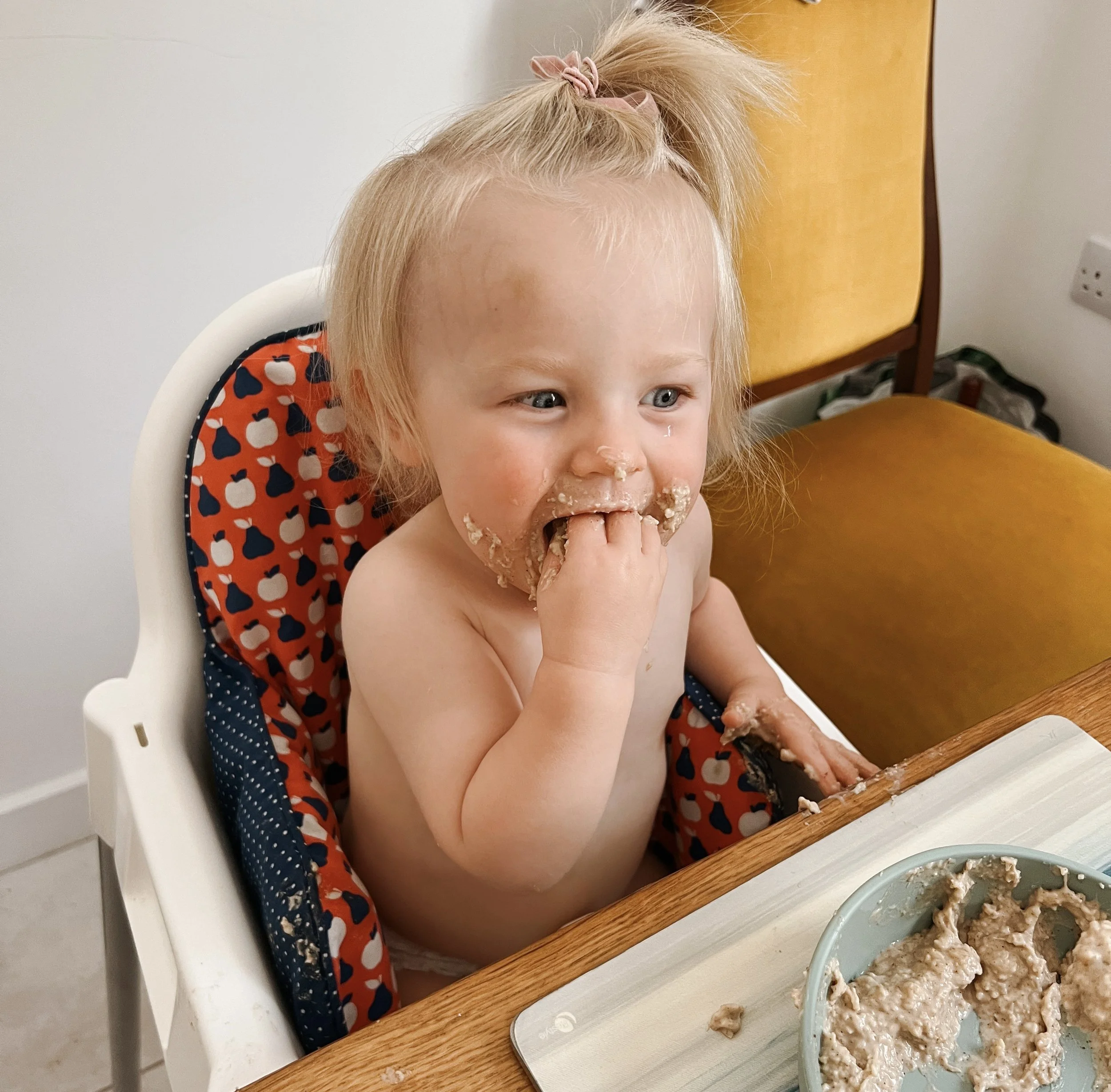
What happens when your baby turns one? Is there a magical moment when they suddenly become a cows milk drinking machine who eats 3 meals a day?
And what do you do if your baby can’t drink cows milk?
Perhaps you are vegan, or just simply don’t like cow’s milk.
If your little one has a cow’s milk allergy: If your baby still has a milk allergy when they get to 12 months in the UK the prescription for special formula usually stops.
Other form of dairy or milk intolerance
(Note continued breastfeeding/breast milk until age 2 or longer; OR cows' milk - whole or semi-skimmed from age 1 - are the preferable options where possible. This advice is aimed at babies and toddlers who cannot have either breast or cows milk)
So what do you give your baby or toddler instead of cows milk?
If you are breastfeeding you can continue to do so for as long as you want. This will make it easier for your baby to get all the nutrients it needs especially energy, calcium, B12 and iodine
But for everyone else you need to source these key nutrients like calcium, vitamin B12 + iodine from other foods. Iodine is less important if your toddler eats fish regularly and B12 is usually ok if meat is on the cards. But what about calcium?

Calcium in babies over 12 months
In terms of calcium there is the option of using a plant-based milk alternative which is fortified with calcium and other nutrients like iodine and B12
The other option is to offer other sources of dietary calcium. This could be calcium fortified foods - like coconut, nut and soya-based yoghurt or calcium set tofu - or naturally calcium rich foods like canned sardines, almond butter and tahini
If you do choose to give a plant-based “milk” alternative it’s important to know that not all are suitable for young children- so here’s my low down on all things plant milks…
What to look for when choosing a plant-based milk
It’s important to keep in mind that these milks are not as nutrient-dense as breast milk or cow’s milk and the composition and nutritional content of each drink will vary
Young children have high energy and nutrient requirements relative to their body size in order to fuel their growth and development.
Also, many of these drinks also have added sugars and it is recommended that children aged 1 to 5 years should not be given sugar-sweetened beverages (SACN, 2023)
If a plant milk is being used as your child’s main drink, it is recommended to make sure to choose one that:
has no added-sugarsorsweeteners like glucose syrup, fructose or maltodextrins
is fortified with essential nutrients like calcium, and ideally also iodine, and vitamin B12
is higher in protein and energy where possible
Below is a breakdown of the most common plant-based milk alternatives and their pros and cons to help you make the best choice for your little one:
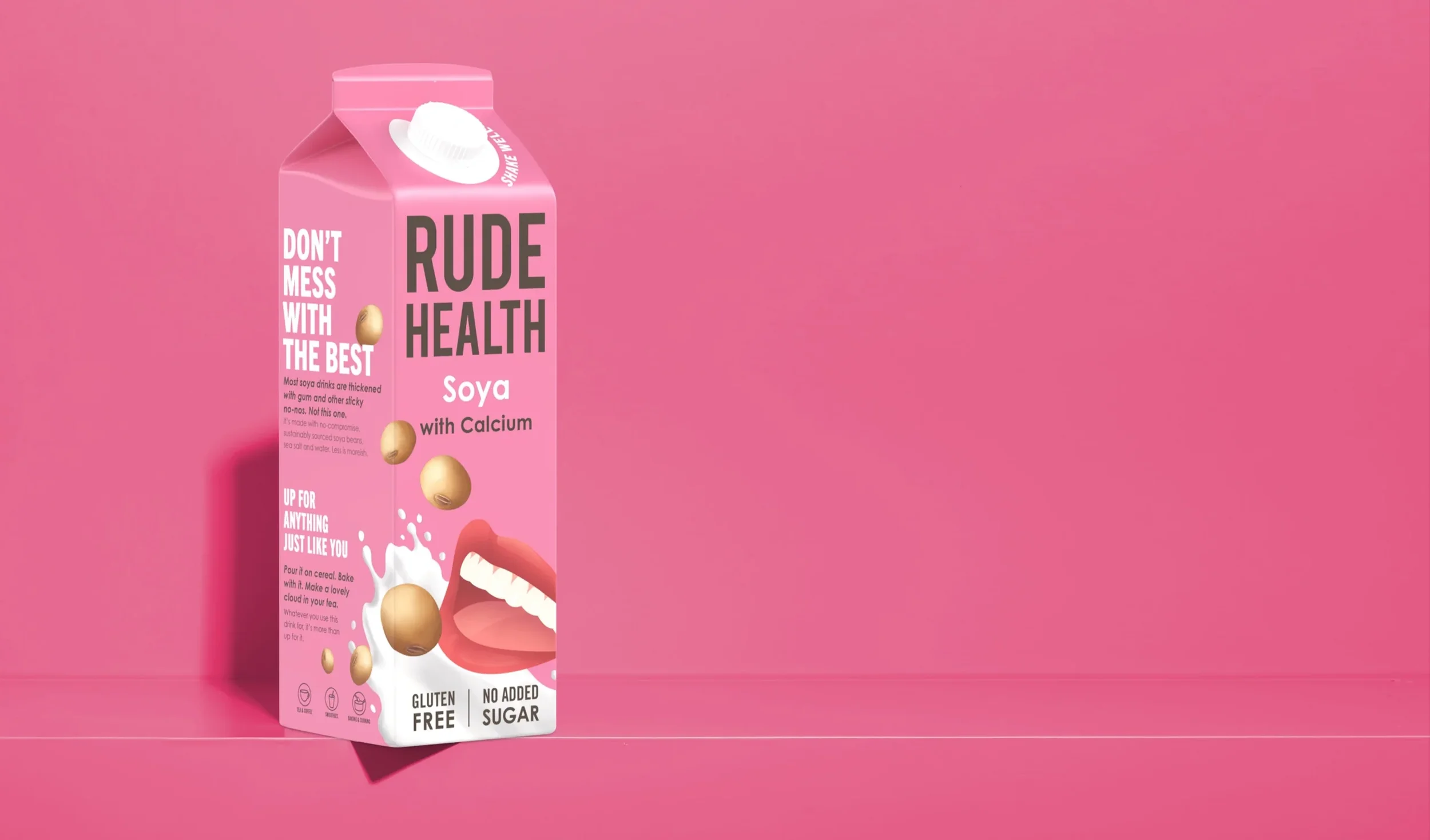
Soya milk in babies and toddlers
Soya milks are higher in protein than most other alternative milks, and unsweetened versions are lower in sugar than oat milks. This makes them preferable as a milk choice for toddlers
Cons
Some children with cow’s milk allergy may also react to soya proteins due to cross reactivity, check with your dietitian if you’re unsure if your little one needs to avoid soya (or chat to me in my virtual clinic)
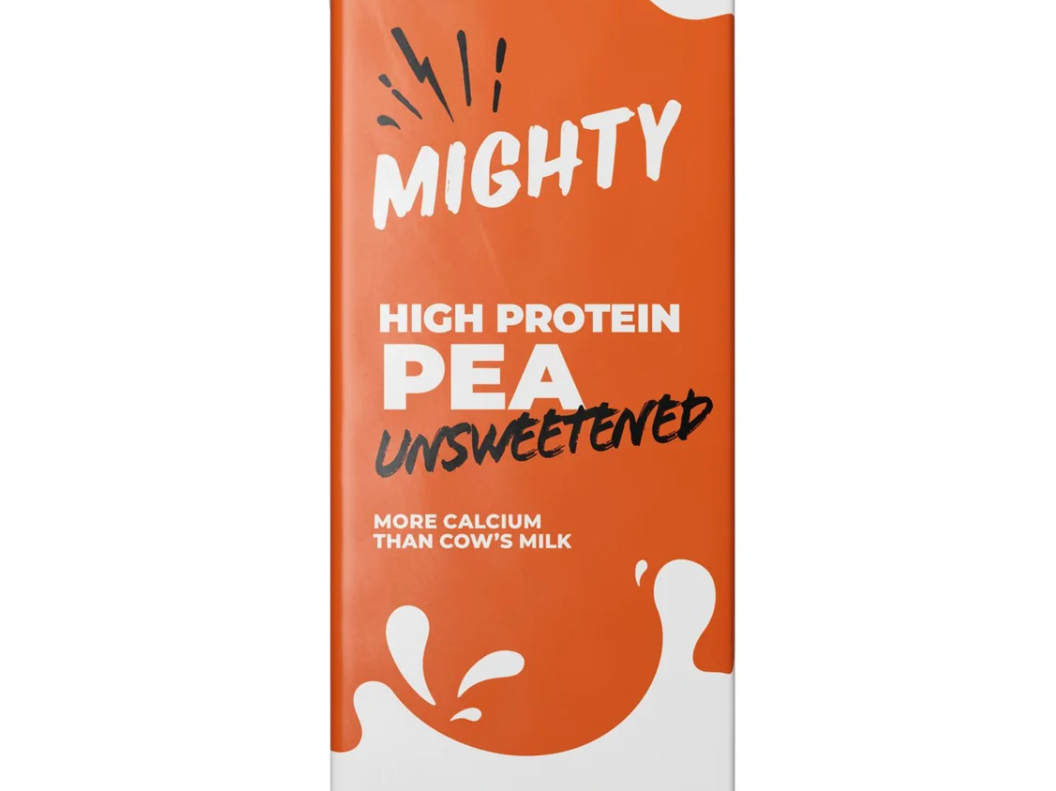
Pea milk in babies and toddlers
Pea milk is higher in protein than some of the other drinks- similarly to soya milk - which is good. No sugar or carbohydrate in most pea milks
Cons
Less widely available and can be more expensive than other plant milk drinks. It is also lower in energy overall
Coconut milk in babies and toddlers
Carton, not canned! Coconut milk is light and refreshing, but has a strong coconut taste which babies and toddlers may or may not enjoy!
Cons
Very low in protein and also calories, so it’s not ideal as a primary milk source for all babies and toddlers. Needs to be combined with other nutrient-rich foods in the diet
Be sure to check the full ingredients list as coconut milk can be combined with rice milk which isn’t recommend for babies - so check the label!
Almond milk in babies and toddlers
Almond milk has a mild, nutty taste that works well in cereals or as a drink
Cons
It can be very low in protein and calories too so it’s not ideal as a primary milk source in all babies and toddlers. It needs to be combined with other nutrient-rich foods in the diet
Almond milk may not be suitable for children with nut allergies
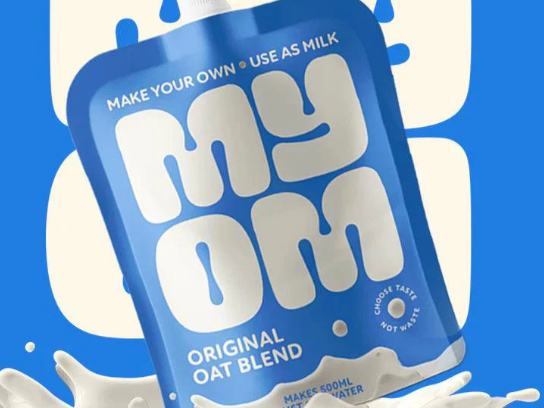
Oat milk in babies and toddlers
Oat milk is creamy and mild tasting, and in my experience it is usually well-accepted by babies and toddlers
It is a source of carbohydrates, providing extra calories compared to other types of plant milk drinks
Cons
Oat milk is low in protein compared to cow’s milk or soya milk
It is also higher in sugar due to the processing methods used to produce it but is higher in energy than nut and coconut so may be an option for babies / toddlers who can’t drink soya
Rice milk in babies and toddlers
Cons
Rice milk is not recommended as a main drink for children under 5 due to the naturally occurring arsenic levels. Rice milk is best used occasionally in cooking and in small amounts (less than 50mls per portion)
My top plant-milk picks as a paediatric dietitian
Soya + pea based drinks are higher in energy and protein than nut and coconut milks and so are preferable where calories and nutrition are concerned. Oat is an option for those babies who can’t drink soya. Almond is great in cooking and cereal, and could be an option as a main drink in babies who are eating well with solids and consume a protein rich diet.
A note on organic plant milks
Be mindful of organic plant milks – as the organic versions do not contain added calcium, B12, or iodine, making them unsuitable as a main milk replacement for young children unless you are sourcing calcium and other nutrients like iodine and B12 from elsewhere in the diet. They can be used in small amounts in cooking.
Fortified plant ‘growing up’ milks
There are also fortified plant ‘growing up’ milks designed for toddlers aged 1-3 years and beyond. However, some of these are highly processed and contain sugary ingredients like maltodextrin.
Examples of fortified plant-based milks for babies and toddlers over the age of 1 in the UK include alpro Growing Up Oat, Alpro Growing Up Soya, Koko Dairy Free Super Vitamin Milk, Koko Kids Coconut Drink and Iris Growing Up Milk
Product choices are based on individual need and also parent preferences and priorities.
Other ways to get key nutrients from milk on a milk free diet include from other plant sources of calcium and iodine
If you’re confused about milk for your toddler, whether you need a cows’ milk alternative, whether the one you’re using is the right one, or if your child has CMPA or another food allergy, this is exactly the kind of thing to talk to your paediatric dietitian about. Check out the online clinic