
Starting solids: where to begin (a paediatric dietitian's approach)
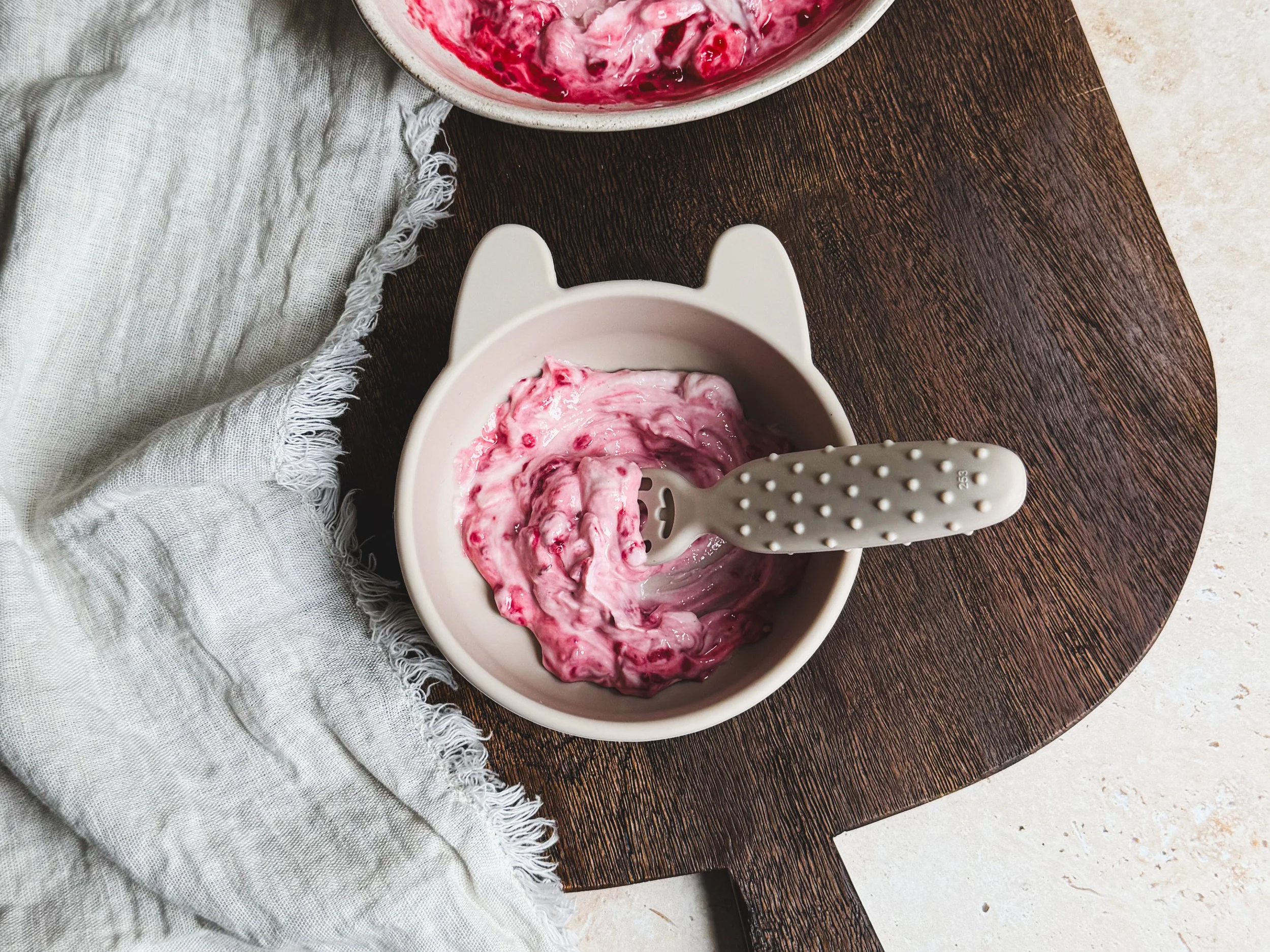
Starting solids is one of the most exciting milestones of your baby's first year. But it can also feel completely overwhelming- an ‘extra job’ added to an ever-growing list of things to do to care for your tiny human, not to mention the conflicting advice and the confusing marketing of baby food products at the supermarket trying to convince you babies need puffs and special baby rice.
It really doesn't have to be complicated. But it also isn’t as simple as ‘feed the baby what you’re having’ because we all know that well meaning phrase doesn’t actually help anyone! But there are a few key core foundations to get your head around, which I talk lots about in my happy weaning series, which will make things feel that bit easier.
So, if you do anything today, read this page which I hope can give you a helping hand in getting started - from a paediatric dietitian who has supported lots of parents through starting solids (and is also mum who's been there herself).
First, is your baby ready?
Knowing when to start solids- or start ‘weaning’- is your first hurdle. Current NHS guidance in the UK is to start at around 6 months, when your baby shows all four signs of readiness for solids:
They can sit up with minimal support AND…
Hold their head steady- good head and neck control is essential for safe feeding, especially if you are giving finger foods or doing baby-led weaning.
They can coordinate their eyes, hands and mouth- baby needs to be able to look at food, pick it up, and bring it to their mouth
Age- these usually occur around 6 months of age
A few things often mistaken for readiness but that aren't reliable signs on their own: waking more at night, chewing fists, or wanting extra milk feeds. These are all normal baby behaviours. Solids shouldn't be started before 17 weeks, and if you think your baby might be ready before 6 months, have a chat with your health visitor or GP first.
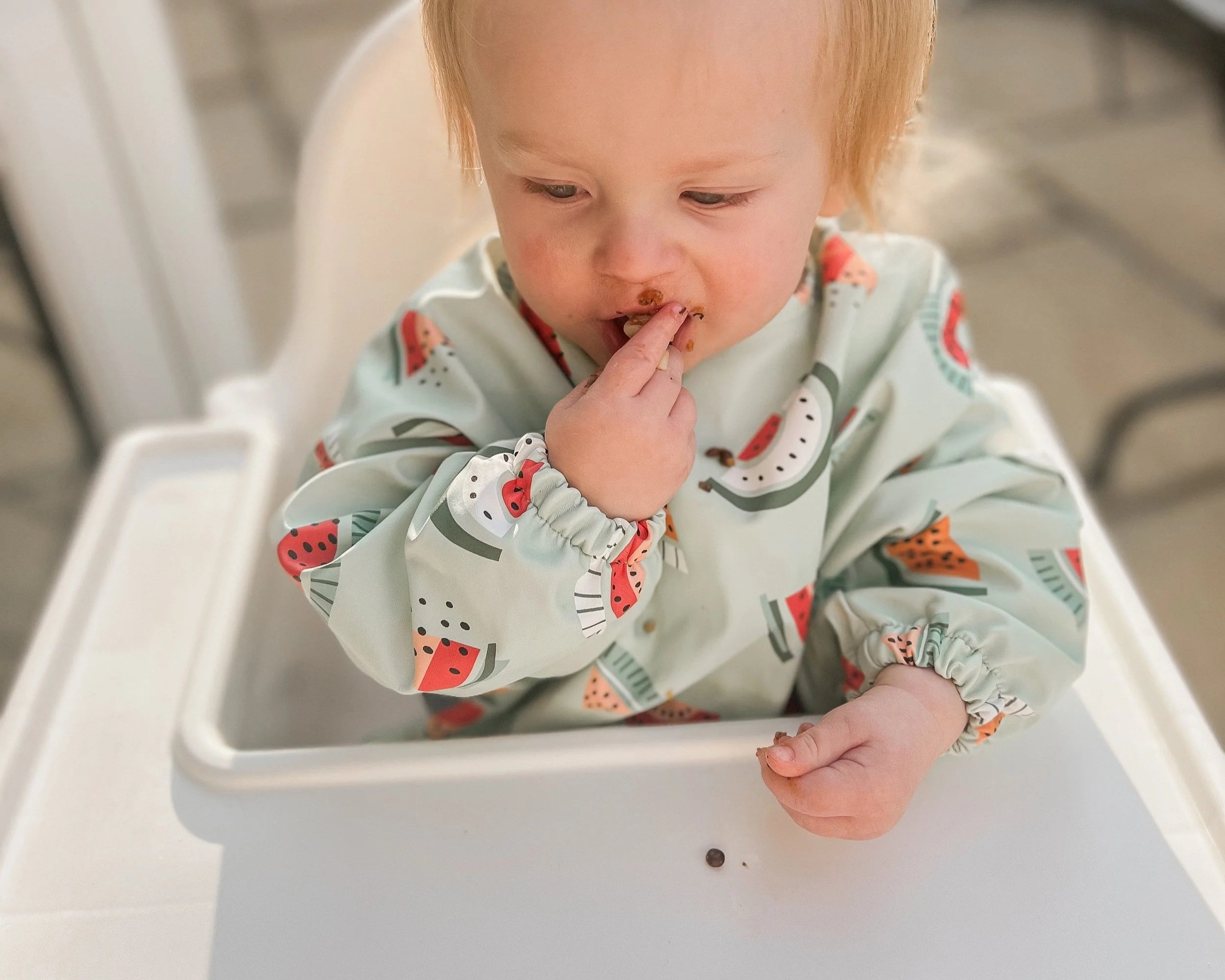
Baby-ked weaning vs puree: choose your method
One of the first things parents agonise over is whether to do baby-led weaning or purees.
Spoon feeding - starting with purees offered on a spoon, and traditionally progressing through textures: from puree→ to mashed → to chopped or ‘lumps’.
Baby-led weaning - lets your baby self-feed soft finger foods from the start.
A combination- some purees and mashed foods, some finger foods. This in my experience is what most families actually choose to do
My take? What matters far MORE than the method is RESPONSIVE FEEDING, offering variety, eating together where you can, and keeping mealtimes relaxed and pressure-free.
If you’re interested in knowing more about the different methods and how this can affect a baby’s relationship with food I go into detail in this in the happy weaning series.
Baby led weaning + finger foods: how to do this safely?
I’d highly recommend getting to know how to prep finger foods safely for babies from 6 months. Check out my post on first finger foods for your baby for my top tips
Keep those first foods simple
When deciding your baby’s first foods, in the early days, in my opinion simple really is best. You don't need elaborate blended combinations- single foods are perfect.
Some of my top first foods to offer:
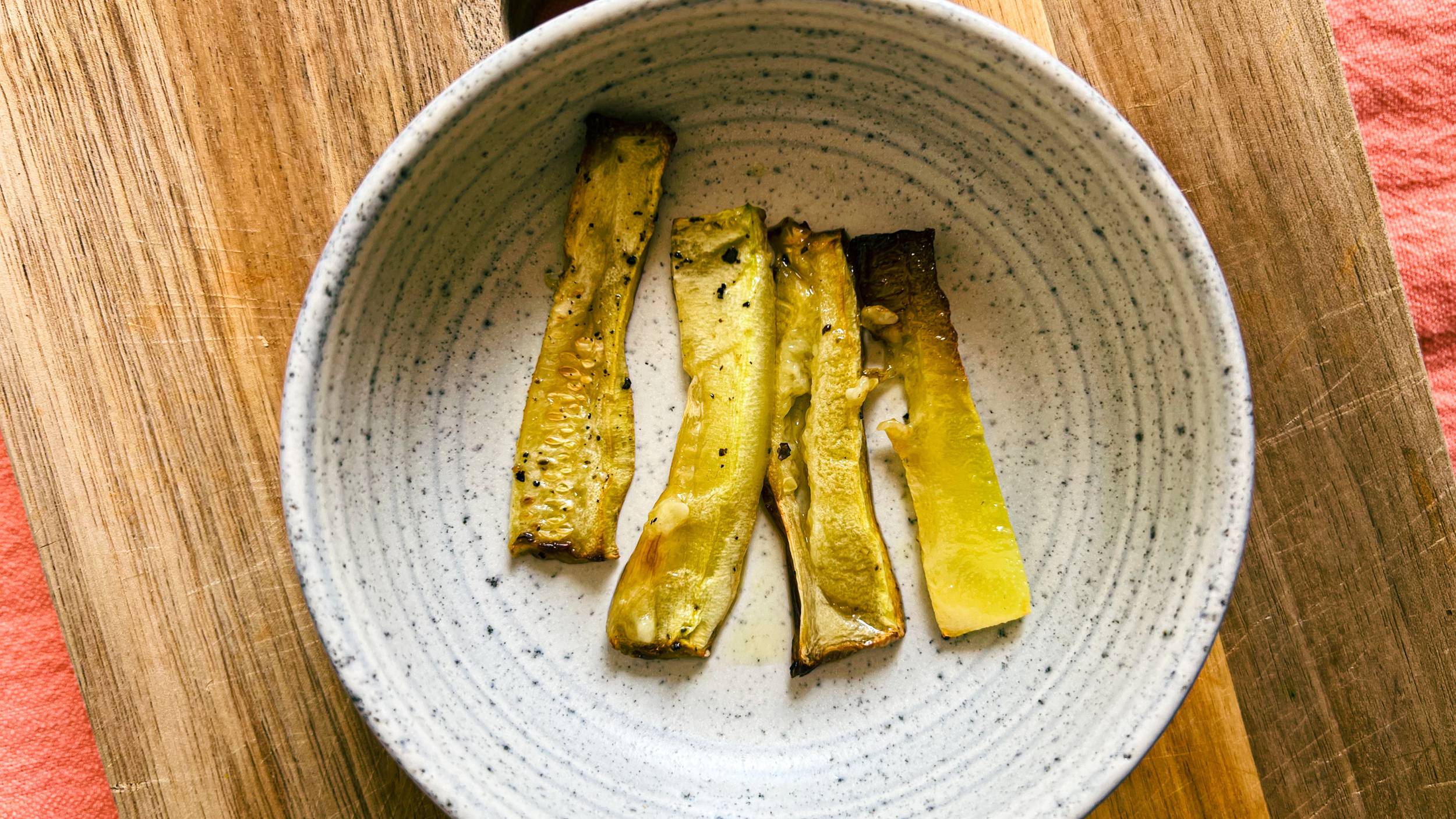
Soft cooked veggies- broccoli, carrot, sweet potato, courgette
Soft ripe fruit- mashed raspberries, ripe banana, ripe pear, ripe peach
Well-cooked soft starchy foods- sweet potato, NORMAL rice, oats
Introduce common allergens - eggs, nuts (always finely ground or smooth nut butters), cows milk, fish, soy, sesame and wheat (more on this in the happy weaning series allergen guide)
Iron-rich foods from the start- this is the big one 👇🏼👇🏼
Don't forget iron
From around 6 months, your baby's natural iron stores begin to run low, so iron becomes really important. Including iron-rich foods from the very start matters- things like well-cooked meat, ground nuts, lentils, and beans.
Go at your baby's pace
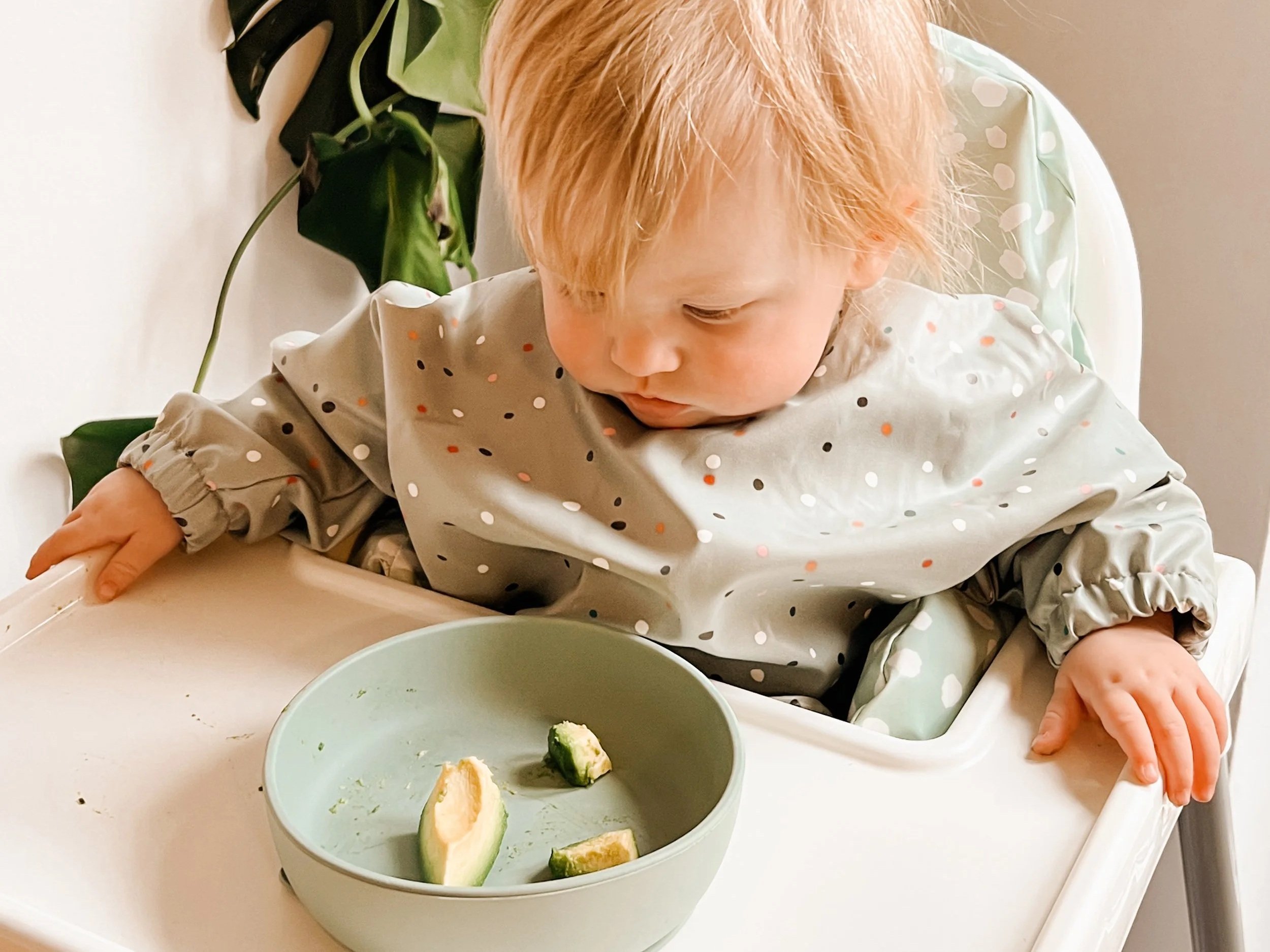
Some days your baby will eat loads; other days, barely anything. Both are normal. You might offer one new food for a couple of days before moving on, or try something new each day- just keep coming back to foods regularly, because repeated exposure helps build acceptance.
And don't be disheartened if a food gets rejected the first, second, or even tenth time. That's all part of it.
Just to say…
Starting solids doesn't have to be stressful. Check your baby's ready, keep first foods simple, learn how to prepare a few foods safely, prioritise iron, and go at your baby’s pace. You're doing a brilliant job just by being here.
For more simple, science-backed feeding guidance, come and find me on Instagram @thehappyfeedingcompany, where I share recipes, tips and real-life baby + toddler feeding content.
And when you're ready for the complete picture, my happy weaning series walks you through every stage - first foods, finger foods, allergens, family meals and over 140 recipes. Everything you need, all in one place.